Understanding Holistic Wellness
An informational resource exploring the scientific foundations of nutrition, wellness principles, and their interconnected relationship with human health and daily living.
An informational resource exploring the scientific foundations of nutrition, wellness principles, and their interconnected relationship with human health and daily living.
Balanced nutrition forms the foundation of physical wellness. This section explores the core principles that govern how different nutrients interact within the human body, the role of macronutrients in energy metabolism, and how micronutrients support vital biological functions.
Understanding these fundamentals requires examining not merely what we consume, but how our bodies process, utilize, and maintain equilibrium with the substances we introduce through food.
Learn More
Proteins, carbohydrates, and fats serve distinct physiological roles. This explores how proportional intake contributes to sustained energy, cellular repair, and metabolic stability.
Explore the TopicVitamins and minerals facilitate enzyme function, immune response, and cellular communication. Understanding their sources and roles supports informed dietary choices.
Explore the TopicThe digestive system's mechanisms determine nutrient absorption efficiency. This section details how food transitions through stages of breakdown and assimilation.
Explore the TopicWater acts as a fundamental medium for biological processes. Adequate hydration supports nutrient transport, temperature regulation, and metabolic function.
Explore the TopicMetabolism encompasses all chemical processes converting food into energy. This explores the factors influencing metabolic rate and efficiency.
Explore the TopicMindful eating practices enhance awareness of hunger signals, satiety cues, and the relationship between food choices and overall wellness.
Explore the TopicOf body composition is water, essential for all biological processes
Estimated cells in the human body requiring nutrient support
Essential amino acids and numerous micronutrients for optimal function
The human gastrointestinal tract hosts a complex ecosystem of microorganisms. These microbes play significant roles in nutrient synthesis, immune function, and the production of compounds that influence systemic health.
The relationship between dietary patterns and microbial diversity has become a central focus in nutritional science, highlighting how food choices influence this internal ecosystem.
Discover More About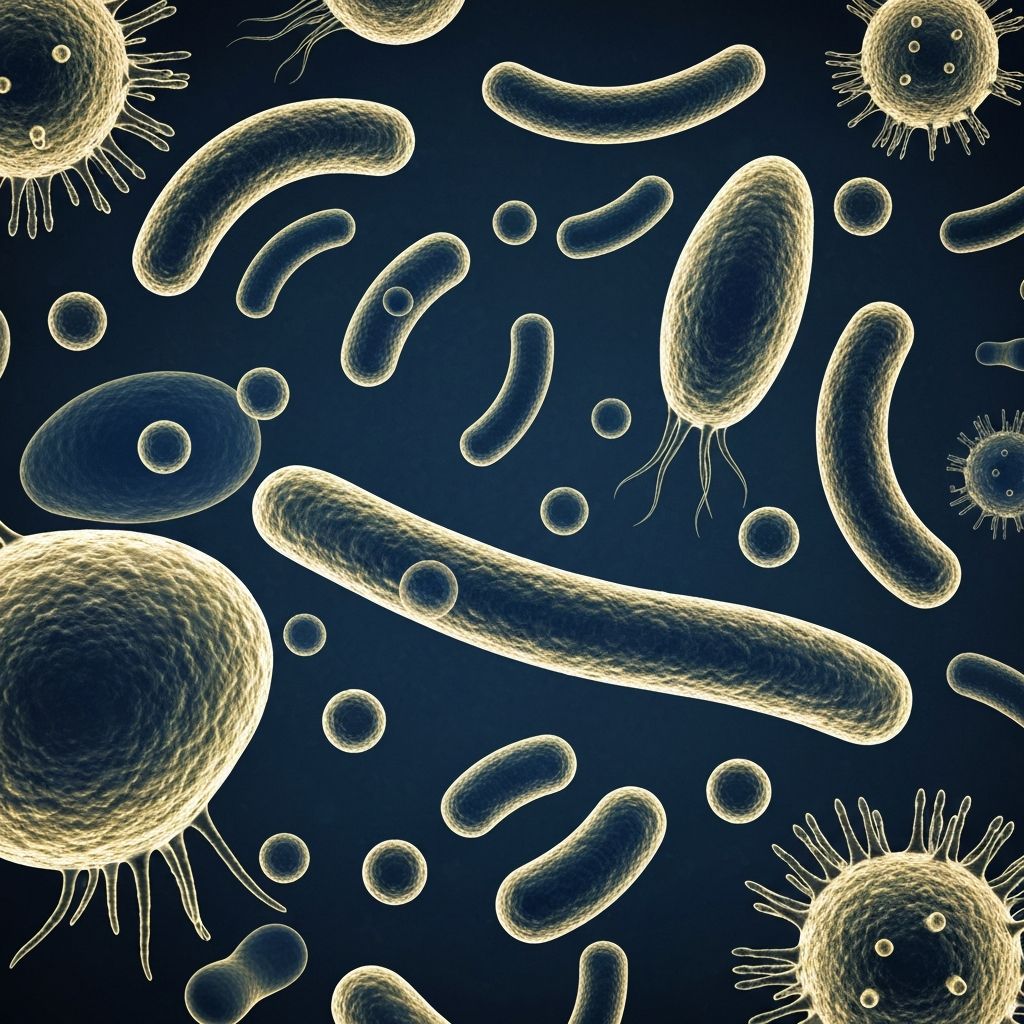
Wellness extends beyond isolated dietary factors. The following principles address the interconnected nature of physical, environmental, and behavioural elements.