Seasonal Eating and Nutrient Density
Understanding the relationship between seasonal food production, nutrient availability, and ecological sustainability.
Understanding the relationship between seasonal food production, nutrient availability, and ecological sustainability.
For most of human history, food consumption followed seasonal availability. Plants mature according to temperature, photoperiod, and precipitation patterns; animals exhibit seasonal abundance patterns; fish and wildlife availability varies with breeding and migration cycles. Modern food systems have decoupled consumption from seasonality through global transport, storage, and production—a shift allowing year-round access to any food, but with implications for nutrient density and ecological sustainability.
Seasonal eating represents a return to ecologically aligned consumption. The logic is straightforward: foods at peak maturity in their native season contain maximum nutrient density. A tomato harvested ripe during peak season differs nutritionally from one picked green and ripened during transport.
Plants accumulate nutrients continuously during growth and maturation. Early harvest—required for long-distance transport—interrupts this accumulation, resulting in lower nutrient density.
Vitamin Content: Ascorbic acid (vitamin C), which deteriorates with time and storage, is higher in fully ripe produce consumed proximally to harvest. Long-transport tomatoes, strawberries, and peppers contain fraction of peak-season levels.
Phytochemical Accumulation: Antioxidants and secondary metabolites accumulate as plants mature. Early-harvested produce contains lower concentrations of these protective compounds.
Mineral Density: Soil mineral availability influences crop mineral density. Seasonal local production from well-managed soil differs from year-round monoculture relying on uniform fertilization regimens.
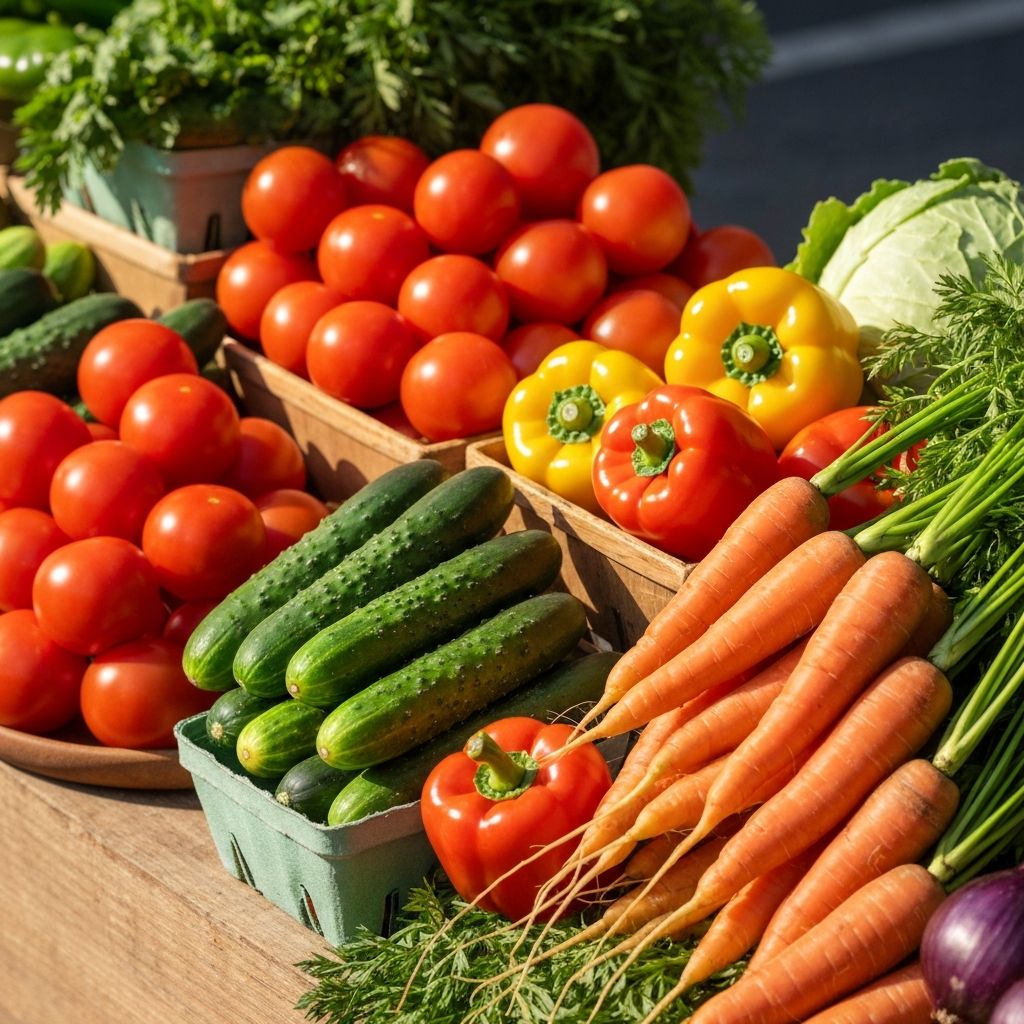
Tender greens, asparagus, and early roots provide nutrient-dense foods supporting renewal after winter. High vitamin and mineral content aligns with increased metabolic demands as temperatures rise.
Maximum diversity and abundance: berries, stone fruits, tomatoes, peppers, squashes. Hydrating fruits and vegetables support thermoregulation during heat; phytochemical diversity reaches annual peaks.
Root vegetables, winter squashes, and storage grains become primary. Higher caloric density and longer storage stability align with preparation for scarce winter months. Carbohydrate-rich foods support energy needs.
Storage roots, preserved foods, and longer-storage vegetables sustain nutrition. Lower fresh produce diversity necessitates reliance on preserved, fermented, and stored foods maintaining nutrient bioavailability.
Research documenting nutrient changes in produce over storage demonstrates measurable differences. Studies on strawberries, tomatoes, and leafy greens show vitamin C losses of 25-40% within days of harvest; losses accelerate with longer storage.
Phytochemical content similarly declines. Lycopene in tomatoes increases during ripening but declines during storage. Anthocyanins in berries degrade with time. The "fresh" produce available in off-season markets may contain lower micronutrient density than preserved seasonal produce—frozen summer berries contain higher anthocyanins than fresh winter berries shipped globally.
This comparison is not an absolute judgment of superiority but recognition that nutrient density varies with temporal alignment to natural growing cycles.
Typical vitamin C loss in produce within days of off-season harvest
Average distance traveled by food in modern global food systems
Phytochemical loss in produce after extended storage periods
Freezing: Rapidly freezes produce at peak nutrient density, halting enzymatic degradation. Frozen seasonal produce often contains higher phytochemicals than fresh off-season produce.
Fermentation: Preserves vegetables while changing microbiota composition and creating compounds with probiotic and anti-inflammatory properties. Fermented seasonal vegetables maintain nutritional integrity while adding bioactive compounds.
Canning and Preservation: Heat processing degrades some vitamins but preserves structural integrity. Seasonal canning at peak harvest captures nutrient density in stable form for off-season consumption.
Traditional food preservation techniques—drying, salting, fermenting—represent knowledge systems aligned with seasonal production cycles and nutrient maintenance.
Seasonal, local eating reduces transportation energy and refrigeration requirements. It aligns consumption with local agricultural capacity, supporting regional food security and agricultural diversity. Monoculture global crops shipped year-round represent ecologically different systems from biodiverse regional production meeting seasonal demand.
Seasonal eating also exposes consumers to greater dietary diversity across the year. Winter produces different foods than summer; the rotation ensures consumption of varied plant families, different root depths accessing different soil minerals, and distinct phytochemical profiles—diversity that supports microbiota variety and resilience.